The Flying Car Race Has Quietly Moved Beyond Prototypes—Now China Is Building the Industry Around Them SeaPRwire

The Flying Car Race Has Quietly Moved Beyond Prototypes—Now China Is Building the Industry Around Them

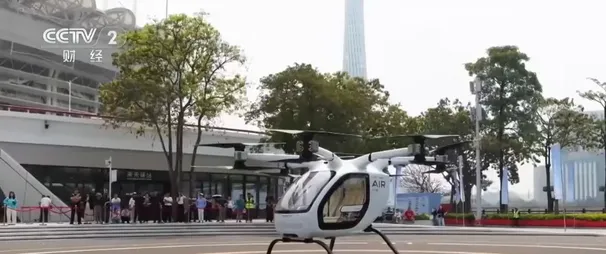
By: Alex Mercer – SeaPRwire – The biggest misconception about flying cars is that they are still science projects. They are not. The real challenge today is certification, manufacturing, infrastructure, and battery technology. In China, that transition is already underway. New production facilities are opening. Aircraft are entering commercial trial operations. Companies are collecting thousands of orders before large-scale deployment even begins. What once looked like a futuristic vehicle is increasingly becoming an industrial category. The official story centers on progress in low-altitude aviation. During China’s upcoming Fifteenth Five-Year Plan period, low-altitude economy development is expected to become a strategic growth priority. Flying cars, or eVTOL aircraft, sit at the center of that vision. In Guangzhou, a newly commissioned intelligent manufacturing base designed around both automotive efficiency and aviation-grade standards has begun operations. Its annual capacity is planned at 100 aircraft. One of its flagship models can carry two passengers, perform vertical takeoff and landing, and fly up to 30 kilometers. Before entering the market, it must pass aviation-level certification tests covering bird strikes, emergency landings, and extreme environmental conditions. The aircraft has already completed demonstration flights in Guangzhou’s urban core and accumulated more than 2,000 intended orders, largely from tourism-related operators. Meanwhile, EHang’s EH216, the first certified autonomous passenger-carrying eVTOL in China, has already entered commercial trial operations in Guangzhou and Hefei, primarily serving aerial sightseeing routes. The industry story is larger than individual aircraft. In Chengdu, a six-seat electric flying car designed for urban air mobility is undergoing airworthiness certification. The aircraft uses a tilt-rotor configuration and can reach speeds of 230 kilometers per hour. According to the company, a trip from Qingcheng Mountain to Chengdu Shuangliu International Airport could eventually take just nine minutes, roughly one-fifth of traditional ground travel time. The project has accumulated nearly 2,000 intended orders and several hundred confirmed orders. In Guangzhou, another fixed-wing hybrid model has completed its first public flight while progressing through certification. With applications ranging from intercity transportation to cross-sea and mountainous routes, manufacturers are clearly preparing for a market that extends far beyond sightseeing services. The hidden battle is taking place inside the battery pack. Flying safely, flying farther, and flying profitably all depend on energy density. Solid-state batteries are becoming one of the industry’s most watched technologies because they promise higher energy density, greater safety, and stronger power output than conventional lithium batteries. According to information presented in the report, a solid-state battery with the footprint of a smartphone could provide enough energy for a 500-kilogram eVTOL to fly approximately half a kilometer. Aircraft equipped with high-energy solid-state batteries have already completed flights across the Qiongzhou Strait. Material costs and manufacturing yields remain obstacles, but the direction is clear. If airworthiness certification unlocks the aircraft and solid-state batteries unlock the economics, the conversation will quickly shift from thousands of vehicles to an industry measured in trillions. At that point, the flying car business may look less like aviation and more like the birth of an entirely new transportation network. Author bio: Alex Mercer, a veteran technology analyst and former engineering executive focused on aerospace innovation, advanced mobility systems, electrification, and next-generation industrial technologies.
Lebih lanjut
The Real Bottleneck in Driver Education Was Never the Classroom—It Was the Compliance Stack Behind It SeaPRwire

The Real Bottleneck in Driver Education Was Never the Classroom—It Was the Compliance Stack Behind It

By: James Vance – SeaPRwire – Most EdTech companies talk about content. Driver education has a different problem. Students can watch lessons online. That part was solved years ago. The harder challenge sits behind the screen. Licensing rules vary by state. Course hours must be verified. Records must be stored. Certificates must be issued correctly. One missed compliance step can invalidate the entire learning process. That is the pressure point NextDoorDriving is targeting as it pushes deeper into cloud-based driver education. The company’s latest positioning reflects a broader shift across regulated education markets. NextDoorDriving argues that driver education is moving away from fragmented paper systems and location-bound administration toward cloud platforms built around compliance workflows. Its platform combines digital learning, mobile access, user management, course tracking, reporting, and regulatory processes in a single environment. The company operates from California and has expanded into Austin, Texas, placing it close to two regions strongly associated with transportation regulation and technology development. According to the company, the platform was designed around the realities of state licensing requirements rather than traditional online learning models. That distinction matters because driver education must track eligibility, completion status, parental obligations, certificate issuance, and interactions with licensing authorities. The deeper story is not about driver’s education alone. It is about the digitization of mandatory education. Governments are modernizing licensing systems. Agencies increasingly expect digital records, identity verification, secure reporting, and real-time compliance. In that environment, educational software becomes regulatory infrastructure. NextDoorDriving’s argument is that future platforms will need to connect learners, families, schools, private providers, and government agencies through integrated workflows. The company’s emphasis on DMV and TDLR-related integration reflects this reality. Cloud systems can update content instantly, maintain secure records, automate administrative tasks, and support mobile reporting. Those capabilities reduce manual workloads while improving the reliability of compliance data. The commercial opportunity extends far beyond online lessons. As licensing systems become more digital, education providers that can blend user experience with regulatory execution gain a structural advantage. NextDoorDriving believes California’s scale and demand for accessible driver education will accelerate this transition. If that prediction proves correct, the winners in regulated learning will not be the companies with the most course videos. They will be the ones that quietly become the operating system connecting education, compliance, and licensing behind the scenes. Author bio: James Vance, a senior international technology columnist covering digital infrastructure, SaaS platforms, regulatory technology, and the business impact of large-scale technology transitions.
Lebih lanjut
When AI Learns to Dub Like a Human, K-Content Stops Needing Permission to Go Global SeaPRwire

When AI Learns to Dub Like a Human, K-Content Stops Needing Permission to Go Global

By: James Vance – SeaPRwire – For years, the biggest bottleneck in the global expansion of Korean content was never creativity. It was localization. A hit series could travel worldwide. Smaller productions often could not. Professional dubbing remained expensive, slow, and largely reserved for major studios. Subtitles filled the gap, yet they rarely delivered the same emotional connection. Studio Freewillusion’s latest announcement points directly at that problem. The company has introduced TailorDub, an AI-powered dubbing pipeline designed to convert Korean-language video into natural English and English-language content into Korean, with deployment scheduled for October through its AI-Kive platform. The details matter more than the headline. According to the company, TailorDub works from the original audio rather than simply generating translated voiceovers. It adjusts for timing differences between Korean and English while preserving emotion, pacing, and vocal expression. The system also keeps the original sound environment intact when dialogue overlaps with background audio. That may sound technical, but viewers notice these things immediately. Poor dubbing breaks immersion within seconds. Good dubbing disappears into the story. Studio Freewillusion is betting that AI can now cross that quality threshold. The company plans to debut the technology through AI-Kive, which currently hosts more than 5,000 AI-generated videos and attracts up to 80,000 monthly active users. The deeper story is not about dubbing software. It is about distribution economics. Every entertainment executive understands the math. If localization costs fall sharply, thousands of previously overlooked titles suddenly become exportable assets. Small and mid-sized platforms gain access to multilingual audiences without building dedicated dubbing operations. Studio Freewillusion appears to understand this opportunity well. After launching on AI-Kive, the company plans to offer TailorDub as a B2B solution for overseas content platforms, particularly in North America. It is also evaluating a future SaaS model. In practical terms, the company is moving from content technology provider to infrastructure provider. That shift often creates larger long-term business value than content production itself. There is another signal hidden beneath the announcement. Global demand for K-content continues to expand, but audience expectations are changing. Viewers increasingly expect content to feel native, not translated. If AI systems can preserve emotional authenticity while reducing localization costs and production delays, the competitive landscape could shift quickly. In that scenario, the winners may not be the largest studios. They may be the platforms that remove language barriers first and make international distribution almost frictionless. The real race is no longer about creating content. It is about making every piece of content understandable anywhere with minimal delay. Author bio: James Vance, a senior international technology magazine columnist who analyzes emerging AI business models, digital media platforms, and the intersection of technology and global content distribution.
Lebih lanjut

AI’s IPO Avalanche: Will the Market Drown in a Sea of New Shares?

(SeaPRwire) -By: Alex Mercer The AI gold rush is creating a peculiar problem on Wall Street. Companies are lining up to sell shares, hoping to fund their artificial intelligence dreams. This influx of new stock raises a critical question: will there be enough buyers to absorb it all? The sheer volume could significantly impact stock prices across the board. SpaceX, Anthropic, and OpenAI are poised to go public soon. Their combined market capitalization could reach nearly $4 trillion on US exchanges. Bloomberg data shows SpaceX's offering already has more orders than shares available. Alphabet Inc. plans to raise $85 billion next quarter by selling stock. This move is likely a precursor to other tech giants needing cash for AI data centers. Ano Kuhanathan of Allianz Trade notes this scale and speed are unprecedented. It's a "huge supply event." The sellers have favorable conditions. AI investments are booming, driving strong revenue growth. Chipmakers are seeing massive gains, with the Philadelphia Stock Exchange Semiconductor Index up 74% this year. Even older tech firms like Cisco and Nokia are benefiting from AI enthusiasm. However, investors are starting to question if the rally has gone too far. The Nasdaq 100 Index recently dropped 4.8%, its worst day in over a year. News of Meta Platforms considering a stock offering sent its shares down 5.5%. Despite these jitters, Wall Street pros remain confident in demand. Nicholas Colas of DataTrek Research believes there's ample capital. It can absorb this year's IPOs and primary offerings from public companies. These companies need cash for AI infrastructure. A key factor is that issuers are selling only a small portion of their stock initially. SpaceX, for instance, plans to offer just 4% of its shares. This keeps the tradable float contained. However, this will change as restrictions on early investors and insiders expire. They will likely monetize their stakes. Goldman Sachs data suggests initial floats under 10% can balloon to 46% within a year. This could add roughly $1 trillion in new equity supply by 2027. Kuhanathan warns this will create "quite a shock" once these companies are fully in the market. Rule changes by Nasdaq and FTSE Russell will accelerate the entry of SpaceX, Anthropic, and OpenAI into major indexes. This could create significant demand. Exchange-traded funds tracking these benchmarks will be forced to buy their shares. Conversely, index funds will need to trim existing positions. Rob Arnott of Research Affiliates notes this will create "drip, drip pressure" as new stock is floated. He predicts this will drive a "wedge in valuation between the newbies and the old companies." S&P Dow Jones Indices, however, rejected proposals to shorten the delay for new companies entering its indexes. Max Gokhman of Franklin Templeton Investment Solutions sees these IPOs dominating market share and investor attention. But he cautions that once lock-up periods end, selling pressure from employees and venture investors could destabilize the market. The erosion Arnott predicts might extend beyond older companies. The AI boom has been unique because investors couldn't directly buy the key players like OpenAI and Anthropic. They instead invested in related companies. A basket of OpenAI-exposed stocks is up 33% this year. Marvell Technology, supplying chips to OpenAI and Anthropic, has soared 210%. Nigel Green of DeVere Group suggests investors will sell these proxies to buy directly into the AI startups. This will change the "scarcity value" of these relationships. Chipmakers like Nvidia and Broadcom, key drivers of the S&P 500, could be affected. Tesla, the only way for retail investors to bet on Elon Musk, faces competition from SpaceX. SpaceX, with more control and housing xAI, is expected to be Musk's preferred vehicle. There's always a risk investors will balk at high prices for unprofitable companies. SpaceX reported a $6.4 billion operating loss last year. Its targeted share price implies a valuation over 90 times last year's sales. These numbers are risky. But with the offering oversubscribed, investors seem unconcerned for now. Anthony Saglimbene of Ameriprise warns there's "little room for error." Companies are going public at large sizes with high expectations. Investors will be "less forgiving" in the coming year. Author bio: Alex Mercer, a Tech Director at a major Silicon Valley firm, provides sharp, no-nonsense analysis of the technology landscape.
Lebih lanjut
100 Hari Perang AS-Iran: Aset Beku & Konflik Lubnan Sekat Perjanjian Damai, Harga Minyak Akan Melonjak? News

100 Hari Perang AS-Iran: Aset Beku & Konflik Lubnan Sekat Perjanjian Damai, Harga Minyak Akan Melonjak?

(SeaPRwire) - By: Marcus Sterling Gencatan senjata AS dan Iran yang berkuat kuasa mulai 8 April kini berada di ambang runtuh. Serangan baru berlaku hampir setiap hari sepanjang minggu lepas, paling teruk sejak gencatan senjata dimulakan. Rundingan damai yang berjalan selama berbulan-bulan langsung tidak menunjukkan sebarang kemajuan ketara. Ketegangan di rantau Teluk kini berada di tahap paling tinggi sejak perang bermula 100 hari lalu. Rakyat di negara-negara Teluk sudah mula bimbang konflik akan berlarutan lebih lama. Perang bermula 28 Februari lepas apabila AS dan Israel melancarkan serangan ke atas Iran. Serangan balas Iran dan proksi mereka telah menyebabkan kerosakan besar di Saudi Arabia, UAE, Kuwait dan Bahrain. Rundingan damai tergendala kerana AS mahu gunakan aset Iran beku bernilai berbilion dolar untuk membaiki kerosakan di negara sekutu Teluk. Iran menuntut semua aset itu dilepaskan sepenuhnya sebelum sebarang perjanjian ditandatangani. Selain itu, Iran juga menuntut gencatan senjata di Lubnan antara Israel dan Hezbollah terlebih dahulu. Hezbollah baru-baru ini menolak cadangan gencatan senjata yang dirundingkan AS. Pakistan memainkan peranan sebagai pengantara antara kedua-dua pihak. Trump sendiri mengakui Iran masih mempunyai 21% hingga 22% senjata peluru berpandu mereka. Selat Hormuz yang ditutup sejak perang bermula menyebabkan harga minyak Brent meningkat ke paras hampir $93 setong, manakala WTI melebihi $90 setong. Kenaikan harga minyak sudah memberi tekanan besar kepada pengundi AS menjelang pilihan raya pertengahan penggal tidak lama lagi. Trump cuba merendahkan risiko kenaikan harga minyak, tetapi kebenaran tidak boleh disembunyikan lama. Sekiranya rundingan gagal sepenuhnya, Selat Hormuz akan kekal ditutup lebih lama. Harga minyak akan melonjak lebih tinggi, dan inflasi global akan kembali melanda. Kedudukan Trump di pilihan raya akan terjejas teruk jika dia tidak mencapai perjanjian damai secepat mungkin. Author bio: Marcus Sterling, Penyelidik Kanan di sebuah think tank strategik bebas Eropah yang fokus kepada isu geopolitik Timur Tengah.
Lebih lanjut
Mengapa AS Tak Mahu Kembalikan $24B Aset Iran, Guna Pada Sekutu Sebaliknya? News

Mengapa AS Tak Mahu Kembalikan $24B Aset Iran, Guna Pada Sekutu Sebaliknya?

(SeaPRwire) - By: Alistair Kroon Langkah pentadbiran Trump ini bukan langkah kebaikan. Ia cuma satu lagi permainan kuasa geopolitik di Teluk Parsi. Iran mendesak pembebasan $24 bilion aset kewangannya yang dibeku. AS sudah menyediakan jalan keluar yang tidak menguntungkan Iran langsung. Inisiatif ini boleh membunuh rundingan gencatan senjata yang sedang berjalan. Menurut pegawai kanan pentadbiran AS yang tidak dibenarkan bersuara terbuka. Inisiatif ini bertujuan guna sebahagian aset beku Iran untuk pembinaan semula. Aset ini akan digunakan oleh sekutu AS di Teluk Parsi yang alami kerosakan akibat Tehran. Setiausaha Perbendaharaan Scott Bessent sudah arah pasukannya kira kos pembaikan penuh. Kerosakan ini bermula sejak AS dan Israel mula serang Iran pada 28 Februari. Iran dan proksinya lancar serangan peluru berpandu dan dron ke atas infrastruktur minyak. Tapak perindustrian dan kem tentera AS di rantau juga menjadi sasaran. Arab Saudi, UAE, Kuwait dan Bahrain semuanya mengalami kerosakan. AS juga akan pertimbangkan guna aset ini untuk ganti rugi kerosakan lama. Niat sebenar pentadbiran Trump bukan cuma membantu sekutu yang cedera. Trump sudah banyak kali kritik bekas presiden Barack Obama yang pindahkan dana kepada Iran. Dia tidak mahu lepaskan kuasa tekanan dengan menyerahkan aset kepada Iran. Dia tegaskan secara jelas tiada wang akan ditukar tangan kepada Tehran. Serangan Iran ke atas jirannya sudah jauhkan sekutu AS daripada Iran. Ini hanya mengukuhkan kedudukan kuasa AS di seluruh rantau Teluk Parsi. Inisiatif ini hanya akan menambah ketegangan dalam rundingan gencatan senjata. Pembukaan Selat Hormuz dan rundingan program nuklear Iran akan menjadi lebih sukar. Geopolitik di Teluk Parsi kini semakin condong ke arah ketidakstabilan yang berpanjangan. Author bio: Alistair Kroon, pengulas geopolitik terkenal yang kerap terbit editorial di akhbar arus perdana antarabangsa.
Lebih lanjut
Gas Price Surge: How It’s Reshaping American Shoppers’ Wallets and Habits News

Gas Price Surge: How It’s Reshaping American Shoppers’ Wallets and Habits

(SeaPRwire) - By: Logan Pierce Wartime gas price hikes have hit US consumers hard. While they're still spending, many are rethinking purchases. Retailers note subtle behavior changes, like altered gas - buying routines and fewer visits to clothing stores. Lower - income customers are cutting back more. Warehouse clubs like Costco, Sam’s Club, and BJ’s Wholesale Club see more fuel - pump traffic. But drivers aren't filling tanks. Walmart and Sam’s Club customers buy less than 10 gallons per trip, a sign of stress. Costco members top up more often due to price concerns. Meanwhile, convenience stores suffer, with pump and in - store sales dropping. Eating habits are changing too. Tax refunds helped Americans dine out at the start of the war. But as gas and other costs rise, cracks are showing. Low - income customers avoid fast - food, and grocery shoppers are more cautious. Dollar General sees more high - income shoppers, while its core low - income customers cut food spending. Consumers are also curbing discretionary spending. Non - grocery sales dropped 6% between April 25 and May 23. Housewares, clothing, and sports equipment sales declined. People are prioritizing value - oriented retailers. Market share will shift as consumers adapt to high gas prices. Retailers must adjust strategies to meet changing customer needs. Author bio: Logan Pierce, an independent business writer active on platforms like Medium, analyzes consumer trends.
Lebih lanjut
Pergerakan anti-kepenggunaan meletup: Orang ramai pilih baiki barang daripada beli baru, pengeluar besar mula risau News

Pergerakan anti-kepenggunaan meletup: Orang ramai pilih baiki barang daripada beli baru, pengeluar besar mula risau

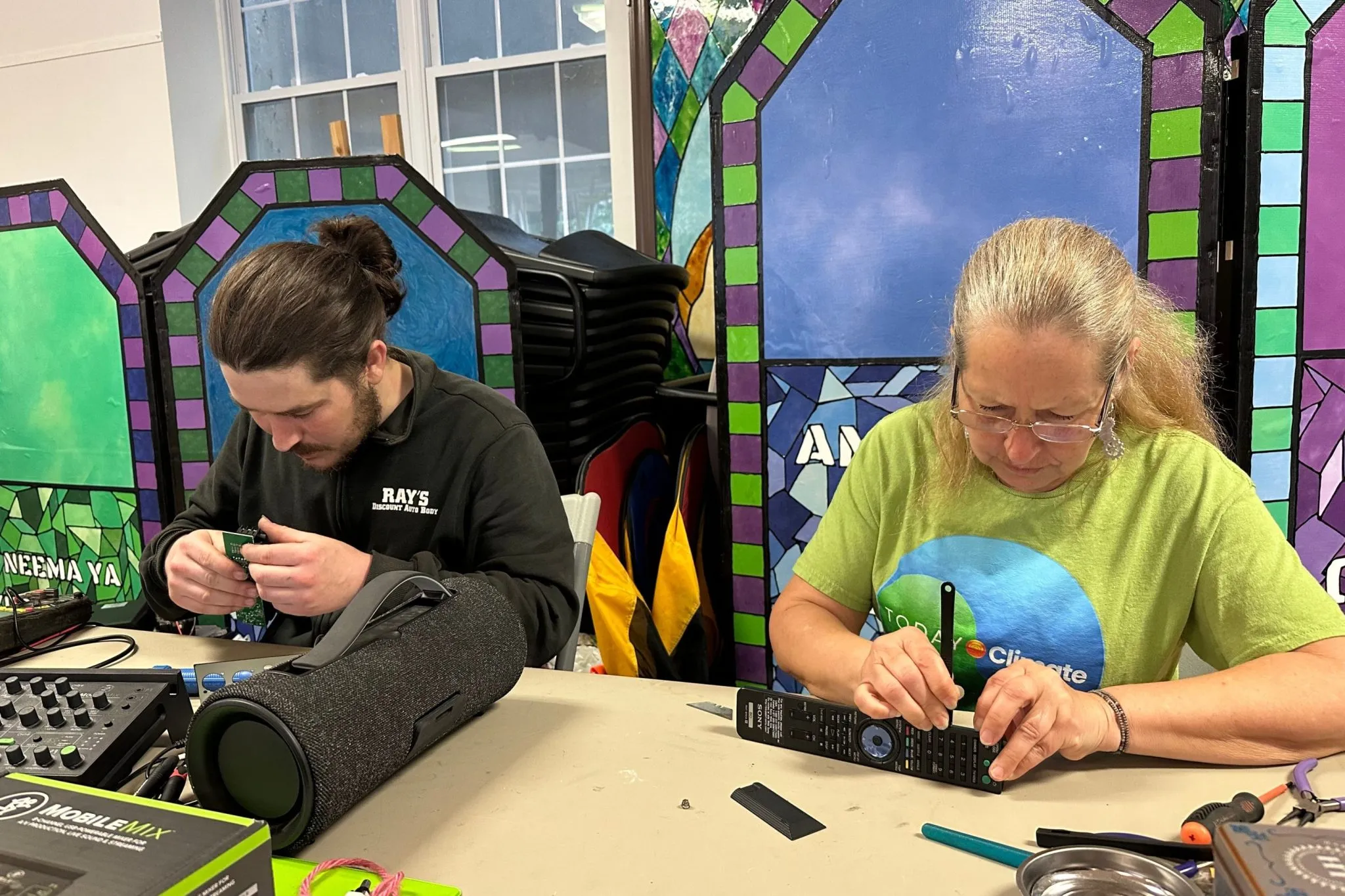
(SeaPRwire) - By: Robert Sterling Saya telah memerhati model perniagaan barangan pakai buang selama 30 tahun. Model ini bergantung sepenuhnya kepada kitaran beli dan buang berterusan pengguna. Kini, pergerakan kecil di seluruh dunia sudah menembusi lubang besar dalam model ini. Ramai pengguna tidak lagi mahu terperangkap dalam kitaran yang membebankan dompet. Mereka juga sedar kitaran ini memberi kesan buruk kepada alam sekitar. Fakta rasmi menunjukkan Repair Cafe bermula di Belanda pada tahun 2009. Kini ia mempunyai lebih 59,000 ahli, sekitar 4,000 cawangan di seluruh dunia. Setiap tahun, hampir 850,000 barang rosak berjaya dibaiki melalui program ini. Di acara Repair Cafe di New Paltz baru-baru ini, 50 orang membawa 85 barang rosak. Seramai 71 barang daripada jumlah itu berjaya dibaiki oleh sukarelawan. Di sebalik acara baiki barang ini, matlamat utamanya adalah untuk bina ikatan komuniti. Ia juga bertujuan untuk ajar orang ramai bahawa barang rosak tidak semestinya sampah. Kenaikan harga pengguna di AS baru-baru ini juga mendorong trend ini berkembang pantas. Fakta lain menunjukkan Projek Buy Nothing bermula di Washington pada 2013. Kini proyek ini mempunyai sekurang-kurangnya 12.5 juta ahli di platform Facebook. Ia menghubungkan orang yang mahu memberi barang percuma dengan yang memerlukannya. Kempen hak untuk membaiki juga dilancarkan pada tahun 2023 di AS. Beberapa negeri sudah meluluskan undang-undang berkaitan hak untuk membaiki. Banyak perpustakaan alat juga mula dibuka untuk orang ramai pinjam alat mahal. Di sebalik semua pergerakan ini, ia sebenarnya memberi tekanan besar kepada pengeluar. Pengguna kini sedar mereka tidak perlu bergantung kepada platform seperti Amazon untuk keperluan mereka. Dalam tempoh lima tahun akan datang, pengeluar barang yang tidak menyokong kemudahan pembaikan akan kehilangan sekurang-kurangnya 15 peratus bahagian pasaran global mereka. Author bio: Robert Sterling, veteran usahawan yang mempunyai lebih 30 tahun pengalaman dalam pelaburan dan pengembangan industri ekonomi sebenar.
Lebih lanjut
HKTDC’s ‘Hong Kong Tech Pavilion’ at Paris VivaTech 2026 to showcase 24 Hong Kong startups to connect global investment opportunities ACN Newswire

HKTDC’s ‘Hong Kong Tech Pavilion’ at Paris VivaTech 2026 to showcase 24 Hong Kong startups to connect global investment opportunities

HONG KONG, Jun 7, 2026 - (ACN Newswire via SeaPRwire.com) - The Hong Kong Trade Development Council (HKTDC) will host a "Hong Kong Tech Pavilion" at Viva Technology (VivaTech) 2026, Europe’s premier annual startup and technology summit in Paris, from next Wednesday, 17 to Saturday, 20 June. In collaboration with our strategic partner, the Hong Kong Economic and Trade Office in Brussels, the Pavilion will bring together 24 Hong Kong startups to showcase innovations in artificial intelligence and robotics, health technology, and sustainability and climate technology. A series of thematic seminars, startup pitching sessions, and networking receptions will also be held to facilitate exchanges between global investors, buyers, and Hong Kong startups, fostering international collaboration. Several key partners, including Hong Kong Science and Technology Parks Corporation, Hong Kong Polytechnic University, Hong Kong Productivity Council, Hong Kong University of Science and Technology, and Cyberport, support the initiative.HKTDC’s Chris Lo, Regional Director, Europe, Central Asia & Israel, stated: "Hong Kong is actively developing into an international innovation and technology hub. As one of the key enablers, the HKTDC supports enterprises in going global by curating overseas platforms and facilitating cross-regional exchanges. Building on last year's success, we are further expanding the Hong Kong Tech Pavilion at VivaTech this year to deepen connections among startups, tech leaders, large corporations, and investors, fostering innovative collaborations and business matchmaking, assisting innovation and technology enterprises in exploring overseas markets, and showcasing to Europe Hong Kong's unique advantages as an international innovation hub."During the exhibition, the HKTDC will organise a series of events, including thematic seminars, startup pitching sessions, and networking activities, to explore future development trends for Hong Kong startups and global collaboration opportunities.Shirley Yung, Special Representative for Hong Kong Economic & Trade Affairs to the European Union, will attend and deliver a keynote speech at the thematic seminar and networking reception titled "Building Resilient Tech Ecosystems: Powering the Next Wave of International Tech Leadership from Hong Kong" on 19 June. The seminar will feature three main segments: "Launching from Hong Kong: The Innovation Infrastructure Powering Start-up Breakthrough”, where Hong Kong Science and Technology Parks Corporation, and startups will share local success stories; "Engineering for Success: How Hong Kong’s Innovation Landscape Helps Tech Companies Achieve Market Fit'”, featuring Hong Kong Productivity Council and enterprise representatives exploring market matchmaking; and a concluding panel discussion inviting representatives from academia, incubators and technology institutions to examine how talent and infrastructure drive Hong Kong's technological development and international collaboration.Helping Hong Kong startups pitch to global investorsParticipating startups at VivaTech’s Hong Kong Tech Pavilion will showcase their innovative solutions and products to investors from around the world. Three thematic pitching sessions will be held over the first three days:17 June (afternoon): Robotics and Microelectronics theme, featuring seven enterprises showcasing their innovative achievements including Bacbudy Limited, which develops intelligent wearable and robotic assistive devices for the lower back, and Cybercrystal Technology Co., which researches next-generation robotic optical tactile skin.18 June (morning): Artificial Intelligence and Health Technology theme, featuring eight enterprises presenting breakthrough innovations in AI and health technology including Eieling Technology, which develops portable chronic liver disease medical diagnostics and AI applications, and Point Fit Technology, which develops wearable health monitoring and intelligent sports solutions.19 June (noon): Sustainability and Climate Technology theme, featuring seven enterprises including Albacastor Technology, which develops eco-friendly industrial oil-removal and deodorising ventilation systems, and Green Vigor, which develops energy recovery and green power generation technologies.Additional events include: On the first day (17 June), the thematic seminar "Europe to Hong Kong: Building a Startup Between Two Ecosystems" will be moderated by Christopher Lai, Director, France, Spain & Portugal of HKTDC, inviting French entrepreneurs to share their experiences in business expansion across Europe and Hong Kong, analysing the differences between the two ecosystems, and exploring how to leverage Hong Kong as a platform for entering the Asian market and securing funding.On the exhibition’s second day (18 June), Hong Kong Science and Technology Parks Corporation will host the "HKSTP Global Mixer: Inside Hong Kong’s Startup Acceleration Playbook", exploring how Hong Kong connects with the global innovation and technology ecosystem and its advantages in talent and investment. In the same afternoon, Hong Kong Polytechnic University will host the “Breaking Barriers with Autonomous Systems: Transforming Industries with AI Innovation”, showcasing Hong Kong’s unique position in harnessing the power of AI and its world-class academia to develop a globally leading innovation hub. That evening, the "Hong Kong Tech Night: Where Innovation Meets Opportunity" networking event will bring together the innovation and technology communities of Hong Kong and France, fostering collaboration between both sides in talent, funding, and market expansion.The VivaTech 2026 Hong Kong Tech Pavilion is located at Booth 1C11, Hall 7.1, Paris Expo Porte de Versailles. The 10th edition of VivaTech is expected to attract more than 180,000 visitors, 14,000 global startups, and 3,600 investors, bringing together industry leaders from around the world to become a key focal point of the international innovation and technology ecosystem.VivaTech Hong Kong Tech Pavilion is an Economic and Trade Express flagship event, which helps Hong Kong SMEs and startups explore overseas market opportunities while attracting more companies to invest and establish operations in Hong Kong.List of 24 Start-ups at the Hong Kong Tech Pavilion: CategoryCompany Name1. Sustainable & Climate TechnologyAlbacastor Technology Limited2. AIGreen Limited 3. Asgard Group Limited 4. Formwork IO5. Green Vigor Limited6. Laputa Eco-Construction Material Company Limited7. LeafIoT Technology Limited8. Plasticvore Chain Ltd 9. AI and Software Solutions Cogniser Infotech Ltd10. D-Engraver Limited11. Midas Analytics Limited 12. OxGen Holdings Limited13. Pantheon Lab Limited14. SagaDigits Limited15. Robotics and Microelectronics TechnologyAnlaseo Technology Limited16. Bacbudy Limited17. Cybercrystal Technology Co., Limited18. Harmony SkyTech Limited19. Oriental Materials Hong Kong Limited20. Robocore Technology Limited21. Health TechnologyEieling Technology Limited22. Hong Kong Bionic Beet Robotics Limited23. Point Fit Technology Limited 24. UniversityThe Hong Kong Polytechnic UniversityPhoto download: https://bit.ly/3RxuMDZThe HKTDC will host the Hong Kong Tech Pavilion at VivaTech 2026. The picture shows last year’s pavilion. During VivaTech, the HKTDC will host a series of exciting events including thematic seminars, startup pitching sessions, and networking receptions, and will arrange business matchmaking with representatives from various enterprises and organisations to assist startups in exploring the European market.Websites: https://vivatech.com/exhibitors/hktdc-hong-kong-trade-development-councilMedia enquiriesFor enquiries, please contact HKTDC’s Communications & Public Affairs Department:Winnie KanTel: (852) 2584 4055Email: winnie.wy.kan@hktdc.orgMedia Room: http://mediaroom.hktdc.comAbout HKTDCThe Hong Kong Trade Development Council (HKTDC) celebrates its 60th anniversary this year. The HKTDC is a statutory body established in 1966 to promote, assist and develop Hong Kong's trade. With over 50 offices globally, including 13 in the Chinese Mainland, the HKTDC promotes Hong Kong as a two-way global investment and business hub. The HKTDC organises international exhibitions, conferences and business missions to create business opportunities for companies, particularly small and medium-sized enterprises (SMEs), in the mainland and international markets. The HKTDC also provides up-to-date market insights and product information via research reports and digital news channels. For more information, please visit: www.hktdc.com/aboutus. Copyright 2026 ACN Newswire via SeaPRwire.com. All rights reserved. www.acnnewswire.com
Lebih lanjut


Gaji tinggi tapi merasa kecewa? Millennials dan Gen Z USA punya masalah keuangan

(SeaPRwire) -By: Robert Sterling Stres keuangan di Amerika nggak cuma maksa kartu kredit atau ketinggalan bayar sewa. Kebimbangan uang yang diam-diam merusak ribuan orang Amerika. Seperti suara pelayan yang membawa tagihan di restoran favoritmu, sementara kamu berfikir apakah masih bisa bayar pernikahan temanmu bulan depan, kata Nia Baiyeroju, pelatih keuangan Gen Z dan pendiri Nia Knows Finance. Ini adalah fenomena yang sudah menyebar luas. Hasil survei dari 5.075 orang dewasa Amerika berusia 21 tahun ke atas, yang diterbitkan dalam sebuah studi baru minggu ini oleh Edward Jones dan Gallup, menunjukkan bahwa hanya 16% orang Amerika yang merasa puas dengan keuangan mereka. Sementara itu, 83% (sekitar 216 juta orang, menurut studi) melaporkan adanya stres, tekanan, atau ketidakpastian keuangan. Sebagian besar orang Amerika yang tertekan, yakni 51%, tergolong ke dalam kategori “bingung” yang disebutkan dalam studi ini, artinya mereka bukan dalam krisis, tapi juga tidak percaya diri dengan keuangan mereka. “Stres keuangan tidak terbatas pada orang-orang dalam krisis — ini mengacaukan jutaan orang yang tampak stabil tapi merasa tidak aman atau puas,” kata Penny Pennington, mitra managing Edward Jones (terdaftar dalam daftar 2026 wanita terkuat), dalam laporan itu. Jon Clifton, CEO Gallup, juga menyebutkan dalam studi ini bahwa, selama lima tahun berturut-turut, semakin banyak orang Amerika yang mengatakan keuangan mereka semakin buruk daripada lebih baik. Data lain dari Bank of America menunjukkan bahwa bahkan rumah tangga yang memiliki penghasilan lebih dari $150.000 hidup dari gaji ke gaji, dan gaya hidup yang semakin mewah merendahkan orang-orang yang memiliki penghasilan setengah juta dolar. Trend keseluruhan dalam data Edward Jones adalah bahwa tekanan keuangan muncul bahkan ketika angka-angka itu bagus di kertas. ‘Emosi sebelum angka’ Orang-orang yang Baiyeroju gambarkan sebagai merasa tidak aman keuangan tidak ketinggalan bayar tagihan. “Mereka menabung, tetap jauh dari hutang, melakukan hal-hal yang benar, tapi tetap merasa tidak aman karena mereka membawa kecemasan tingkat rendah yang tidak bisa dilepaskan,” katanya. Frasa khas, kata Baiyeroju, seperti “Aku punya gaji yang bagus, aku tidak harus berjuang begitu keras,” atau “Semua teman-teman saya sudah punya kehidupannya teratur, kenapa saya belum?” Itulah karena “keamanan keuangan adalah emosi sebelum angka,” kata Baiyeroju. “Jika kamu tumbuh melihat orang tua kamu stress karena tagihan, sistem saraf kamu tidak akan otomatis berubah ketika saldo bank kamu berubah.” Lindsay Bryan-Podvin, terapis keuangan untuk Cash App dan Afterpay, melihat pola yang sama. “Saldo bank yang sehat tidak secara otomatis menghilangkan pikiran bingung tentang uang seumur hidup,” katanya kepada . Untuk klien-kliennya, stres keuangan ini seringkali bersifat internal, terisi dengan pikiran “berisi ‘harus’ dan rasa malu,” katanya. Ini juga bisa terlihat ketika seseorang berkata kepada dirinya sendiri bahwa mereka tidak layak pergi makan malam, atau terjebak dalam keranjang belanja yang berisi barang-barang yang sebenarnya mereka bisa beli tapi merasa tidak seharusnya mereka beli. Meskipun praktis untuk berlatih kendali diri dalam pengeluaran bersifat diskresioner, terlalu bimbang tentang keuangan juga bisa memiliki kelemahan. “Ironisnya, keamanan memiliki uang itu terbalik karena rasa takut untuk menggunakan uang itu,” kata Bryan-Podvin. Studi Edward Jones juga menunjukkan betapa merusaknya kebiasaan itu. Lebih dari setengah dari orang Amerika yang tertekan keuangan mengatakan bahwa keuangan mereka “sering” atau “selalu” mengendalikan hidup mereka, dibandingkan hanya 2% dari mereka yang merasa puas. “When someone is stuck in that loop, I ask them to get curious,” kata Bryan-Podvin. “Seberapa benar bahwa pergi keluar malam biasa akan merusak masa depan keuanganmu?” Hanya 18% dari mereka yang tertekan yang menjelaskan diri mereka sebagai sukses, dibandingkan 83% dari orang dewasa yang merasa puas, yang juga melaporkan hubungan yang lebih baik dan kesehatan mental dan fisik yang lebih kuat, terlepas dari pendapatan. Untuk mengatasi kecemasan ini, Bryan-Podvin mengatakan bahwa dia menggunakan beberapa afirmasi dengan klien-kliennya seperti: “Aku punya cadangan tabungan yang sehat. Aman untuk aku menggunakan uang ini, dan penting untuk aku bersantailah dengan teman-teman saya.” Efek kecacatan uang Salah satu faktor utama yang menyebabkan kecemasan keuangan adalah membandingkan diri dengan orang lain, yang semakin parah karena adanya media sosial. Fenomena ini disebut “kecacatan uang,” atau pandangan yang distorsi tentang keuangan sendiri, dan telah menjadi sangat umum di kalangan remaja; data Intuit Credit Karma 2024 menunjukkan bahwa hampir setengah dari Gen Z dan millennials merasa ketinggalan keuangan meskipun banyak yang memiliki tabungan di atas rata-rata. Baiyeroju mengatakan bahwa dia sering melihat kecacatan uang dan bahkan mengganggu orang-orang dengan penghasilan tinggi. Orang kaya merasa miskin karena “seluruh feed media sosial mereka adalah orang-orang yang membeli rumah kedua, bepergian kelas pertama, dan membeli desainer.” Kemudian orang lain merasa begitu ketinggalan “mereka berhenti berusaha, berbelanja berlebihan untuk mengatasi karena tabungan terasa sia-sia.” Yakin saja, Bryan-Podvin mengatakan bahwa media sosial “hanya sebahagian dari masalah.” Rendahnya harga diri, perfeccionisme, depresi, dan kecemasan semua berkontribusi pada kecacatan uang, katanya. Namun, dia menyarankan untuk menonaktifkan siapa pun di feedmu yang membuatmu merasa buruk tentang uangmu. “Itu cara yang sangat sederhana untuk kembali memiliki kendali,” tambahnya. “Kamu berhenti membandingkan kehidupan sehari-hari kamu dengan realitas yang terlalu difilter orang lain, dan kamu punya ruang untuk fokus pada perjalananmu sendiri.” Generasi berbeda, rasa takut yang sama Meski kecemasan keuangan menyebar ke semua kelompok usia, itu bisa muncul berbeda-beda. Gen Z bertanya, “Akankah aku pernah bisa membeli rumah?” kata Baiyeroju, sementara para millennials harus mengatasi pinjaman kuliah dan keluarga yang semakin besar, dan generasi tua bertanya apakah tabungan mereka akan cukup untuk kehamilan. “Pertanyaan berbeda, musim hidup berbeda, tapi rasa kecemasan di bawahnya adalah sama,” katanya. Untuk mengatasi ketidakpastian keuangan, laporan Edward Jones menyoroti langkah-langkah praktis seperti pengaturan anggaran, tabungan, dan pengurangan hutang. Dan untuk Baiyeroju, solusi dimulai dengan menentukan apa yang cukup sebenarnya. “Itu bukan masalah matematika,” katanya. “Itu masalah kejelasan. Lebih banyak uang tidak akan menyelesaikannya, pemahaman tentang apa yang kamu bangun untuk itu yang akan membantu.” Author bio: Robert Sterling, veteran wirausaha luar negeri dengan pengalaman industri investasi dan ekspansi ekonomi riil selama beberapa dekade.
Lebih lanjut
Score8 Officially Sponsors Triton Poker Super High Roller Series in Montenegro, Featuring Over USD100 Million in Prize Pools iGame

Score8 Officially Sponsors Triton Poker Super High Roller Series in Montenegro, Featuring Over USD100 Million in Prize Pools

Featuring Elite Poker Pros, Over US$100 Million in Prize Pools, and the Exclusive Score8 Top 4 Challenge Budva, Montenegro - June 07, 2026 - (AsiaGameHub) - As the global poker community turns its attention to the prestigious Triton Poker Super High Roller Series Montenegro, Score8 (https://www.score8win.com/) is proudly celebrating this major event as an official sponsor through its exclusive Score8 Top 4 Challenge, connecting fans with some of the world's most accomplished poker professionals. Hosted in the breathtaking coastal destination of Budva, Montenegro, at the renowned Maestral Resort & Casino, the event gathers the world's elite poker professionals, high-stakes competitors, entrepreneurs, and poker enthusiasts for an unforgettable showcase of skill, strategy, and competition. Recognized globally as the pinnacle of high-stakes tournament poker, Triton Poker has built a reputation for delivering record-breaking events, attracting legendary poker players and some of the largest prize pools ever seen in the industry. The Triton Poker Super High Roller Series has become a symbol of excellence, prestige, and international recognition within the global poker community. This year's Montenegro stop continues that legacy, featuring a schedule of elite tournaments with buy-ins ranging from tens of thousands to hundreds of thousands of dollars, including the iconic Triton Invitational and multiple six-figure buy-in championship events. The series attracts world-class poker players from across Europe, Asia, North America, and beyond, further cementing its position as one of the most anticipated poker festivals on the global calendar. A Global Stage with Over US$100 Million in Prize Money Over the years, Triton Poker events have collectively generated prize pools exceeding US$100 million, creating life-changing opportunities for professional poker players while setting new standards for competitive poker worldwide. The series consistently attracts the highest level of participation from elite players competing for multimillion-dollar payouts and international recognition. From renowned poker champions to rising stars, Triton serves as a platform where the world's best players battle for prestigious titles while millions of viewers follow the action through global live streams and international media coverage. Score8 Top 4 Challenge Brings Fans Closer to the Pros Through the Score8 Top 4 Challenge, participants can predict and follow the top-performing players during Triton Poker Super High Roller Series Montenegro. The challenge features selections from renowned poker professionals including Rui Cao (France), Chan Wai Leong (Malaysia), and Danny Tang (Hong Kong), offering fans a unique opportunity to engage with the tournament from a strategic perspective while following the insights and selections of accomplished players. World-Class Triton Poker Pros Join the Action This year's Score8 Top 4 Challenge features selections made by accomplished Triton Poker professionals, including Rui Cao (France), Chan Wai Leong (Malaysia), and Danny Tang (Hong Kong). French poker professional Rui Cao is widely recognized as one of the most accomplished competitors on the international poker circuit, while Malaysian poker professional Chan Wai Leong has surpassed US$12 million in Triton career earnings and remains one of the most successful Asian players on the circuit. Meanwhile, renowned high-stakes poker professional Danny Tang (Hong Kong) shared his enthusiasm for the campaign: "I've been studying and preparing for this year's World Cup for the past four years. This year, I'm all in with Score8, and I'm excited to share my picks with fans through the Score8 Top 4 Challenge." — Danny Tang Their involvement highlights the caliber of talent associated with Triton Poker and reinforces why the series continues to attract the world's top poker players, investors, entrepreneurs, and gaming enthusiasts. Through the Score8 Top 4 Challenge, fans now have the opportunity to follow the predictions and strategic selections of these world-class poker professionals while engaging with one of the most exciting poker campaigns of the year. Score8: Advancing Toward Global Recognition As the poker industry continues to expand internationally, Score8 remains committed to engaging with global poker communities through initiatives that celebrate competition, strategy, and world-class entertainment experiences. By aligning with major international poker moments, Score8 reinforces its commitment to becoming a recognized name within the global gaming and entertainment landscape. The brand continues to focus on delivering engaging experiences, innovative campaigns, and rewarding opportunities for players across multiple markets. "World-class events inspire world-class brands. Triton Poker represents the highest standard of excellence in competitive poker, and Score8 is proud to celebrate this global stage while continuing our own journey toward international recognition and growth," said a spokesperson for Score8. Participation in globally recognized events such as Triton Poker reflects Score8's ongoing efforts to engage with international audiences and strengthen its presence within the broader gaming and entertainment ecosystem. RM1 Million Prize Pool Featured in the Score8 Top 4 Challenge To commemorate the excitement of Triton Poker Super High Roller Series Montenegro, Score8 is inviting poker fans and gaming enthusiasts to participate in its special promotional campaign. Participants can join the challenge, complete designated activities, and stand a chance to unlock exclusive rewards through the Score8 platform. Promotion Details Participants can join the Score8 Top 4 Challenge by selecting their preferred professional players and following tournament performances throughout the Triton Poker Super High Roller Series Montenegro.Successful participants will have the opportunity to compete for exclusive rewards and engage with one of the most exciting poker campaigns of the year. About Score8 Score8 is a fast-growing international gaming and entertainment brand dedicated to delivering engaging digital experiences, rewarding promotions, and innovative player-focused campaigns. With a vision to connect global communities through entertainment and competition, Score8 continues expanding its international presence while creating exciting opportunities for players worldwide. As poker continues to grow as a truly global competitive sport, Score8 remains committed to creating innovative experiences that bring fans closer to the action. Through initiatives such as the Score8 Top 4 Challenge and participation in world-class events like Triton Poker Super High Roller Series Montenegro, the brand continues building meaningful connections with players and audiences worldwide. Media Contact Brand: Score8 Website: https://www.score8win.com/ Instagram: https://www.instagram.com/score8.ai Campaign Page: https://www.score8.ai/worldcup/challenge/how-to-play Contact: Future Marketing (https://futuremarketingjb.com/)
Lebih lanjut
iHerb Expands Consumer Benefits Across Asia with 618 Shopping Festival ACN Newswire

iHerb Expands Consumer Benefits Across Asia with 618 Shopping Festival

IRVINE, CA, June 7, 2026 - (ACN Newswire via SeaPRwire.com) - iHerb, a global e‑commerce platform specializing in health and wellness products, has officially launched its 2026 “618 Peak Shopping Festival.” As a brand with a 29‑year heritage, this initiative brings a range of promotional offers and localized services to customers in Hong Kong and Southeast Asia, reflecting the company’s ongoing commitment to enhancing accessibility and customer experience across international markets.Founded in 1996, iHerb has expanded its operations to 185 countries and regions and now serves more than 11 million active users worldwide. Through its direct sourcing model and global fulfillment network, the company has focused on providing consumers with access to a broad range of international health, wellness, beauty, and personal care products.Unlike traditional cross-border retail models that often involve multiple intermediaries, iHerb purchases products directly from manufacturers and distributes them through its own warehouse network. The company stated that this approach helps improve supply chain transparency and product traceability while streamlining international delivery.As part of the 618 campaign, iHerb highlighted a selection of products from popular categories frequently purchased by consumers, including dietary supplements, personal care products, sports nutrition items, and beauty products.Among the featured products are:California Gold Nutrition LactoBif(R) 30 Billion Probiotics (CGN00965), a probiotic supplement packaged in individually sealed blister packs for convenient storage and transportation.Doctor's Best High Absorption Magnesium (DRB00087), a magnesium supplement formulated using Albion(R) TRAACS(R) chelation technology.Nature's Way Alive! Hair, Skin and Nails Gummies (NWY11534), a strawberry-flavored gummy supplement containing vitamins, collagen, and other nutritional ingredients.Metagenics OmegaGenics(R) Fish Oil EPA-DHA (MTG93873), a fish oil supplement containing EPA, DHA, and omega-3 fatty acids.ProHealth Longevity NMN Pro 1000 (PHV77904), an NMN supplement designed for adult consumers interested in wellness-focused nutritional products.The company noted that these products represent some of the diverse categories available on the platform, which currently offers nearly 3,000 brands and more than 50,000 products globally.To commemorate its 29th anniversary and the 618 Shopping Festival, iHerb announced several promotional initiatives for customers in Hong Kong and Southeast Asia:New customers can use the code WELCOME7 to receive a first-order discount.From June 11 to June 20, customers can use 618SALE26 for sitewide promotional savings.Additional regional promotions are available through the end of June using code 6HK75, subject to applicable terms and conditions.Customers in Hong Kong may qualify for free shipping on eligible orders and access local express delivery options.In addition to promotional activities, iHerb continues to expand localized services across Asian markets. Customers can shop through the company's website and mobile application, with support for local currencies and multiple payment methods, including credit cards and digital wallets.As iHerb marks its 29th anniversary, the company stated that it will continue investing in supply chain infrastructure, customer service, and regional fulfillment capabilities to support consumers seeking access to international health and wellness products.Company: iHerb, LLCContact Person: Kelly ChaiEmail: china.sm@iherb.com Website: iherb.com Telephone: (1) 951 6163600 Copyright 2026 ACN Newswire via SeaPRwire.com. All rights reserved. www.acnnewswire.com
Lebih lanjut

Bukan Sekadar Jual Beli: Mengapa Kilang Lebih Penting Daripada Kontrak Dagang

By: Robert Sterling Ramai orang tersalah anggap tentang hubungan ini. Mereka lihat angka eksport. Mereka lihat kontrak perdagangan. Tetapi isyarat sebenar ada di atas tanah. Apabila dua negara mula membina kilang bersama, itu bukan lagi perdagangan. Itu adalah penggabungan industri. Marko Čadež tahu ini. Beliau nampak perubahan di Serbia. Dulu syarikat China jarang ada. Kini hampir 2,000 entiti beroperasi di sana. Ini bukan kebetulan. Ini adalah peralihan strategik yang mendalam. Di atas kertas, kita baca tentang Linglong Tire dan HBIS Group. Mereka kukuhkan pembuatan automotif Serbia. Lihat kilang di Temerin. Pengilang galas mesin pertanian itu buka kilang baharu di Hebei. April 2025 lalu. Luasnya 80,000 meter persegi. Rasmi, ini pengembangan luar negara. Tetapi lihat lebih dekat. Syarikat Serbia kini melabur di China. Mereka bukan lagi pembeli atau pembekal. Mereka menjadi pelabur bersama. Mereka menjadi pengeluar bersama. Data perdagangan menunjukkan lonjakan. $6.48 bilion pada 2025. Naik 13 peratus tahun ke tahun. Perjanjian Perdagangan Bebas bermula 1 Julai 2024. Ia meruntuhkan halangan tarif. Presiden Aleksandar Vučić tandatangani perjanjian pelaburan baharu di China. Syarikat Serbia beli peralatan China. Kosnya rendah. Ia memodenkan pengeluaran mereka. Eksport meningkat. Tetapi soalan sebenar bukan di mana mereka menjual. Soalannya ialah di mana mereka membina dan sumber. Fasa seterusnya melibatkan kecerdasan buatan dan robotik. China mengekalkan momentum industri. Rantaian bekalan mendalam kerana ia menguntungkan. Jangan ukur hubungan dengan statistik kastam. Ukurlah dengan bilangan kilang. Ukurlah dengan projek industri yang mempunyai cap jari kedua-dua negara. Author bio: Robert Sterling, usahawan veteran luar negara dengan pengalaman puluhan tahun dalam pelaburan industri ekonomi sebenar dan pengembangan.
Lebih lanjut
AI Tak Hanya Bersaing di Model—Ia Bersaing dengan Grid Elektrik, dan CEOs Perlu Perhatikan Ini Segera Business

AI Tak Hanya Bersaing di Model—Ia Bersaing dengan Grid Elektrik, dan CEOs Perlu Perhatikan Ini Segera

By: James Vance Risiko terbesar dalam perlumbaan AI bukan lagi prestasi model. Ia adalah bil elektrik yang tersembunyi di belakangnya. Banyak eksekutif selama bertahun-tahun risau tentang kos cloud. Kini mereka dapati ketersediaan tenaga dan kecekapan tenaga mungkin menjadi batasan yang lebih sukar. Tinjauan 300 eksekutif kanan syarikat dengan pendapatan tahunan sekurang-kurangnya $1 bilion menunjukkan semua responden menjangkakan pengukuran dan pengurusan tenaga menjadi KPI utama dalam dua tahun. Peralihan ini luar biasa—tenaga beralih dari jabatan kemudahan ke bilik dewan. Nombor menjelaskan sebabnya. Beban kerja AI menggunakan tenaga dengan kadar yang jarang dijangkakan. 68% eksekutif telah mengalami peningkatan kos tenaga sekurang-kurangnya 10% tahun lepas kerana AI dan operasi intensif data. Hampir semua menjangkakan kos akan terus meningkat dalam 12-18 bulan akan datang, manakala hanya 22% percaya organisasi mereka sudah sedia. Pusat data AS menggunakan 4% elektrik negara pada 2024, dijangka mencapai 12% pada 2028. Pusat data moden 100 megawatt boleh menggunakan elektrik sebanyak 80,000 isi rumah Amerika. Metrik tradisional seperti PUE tidak lagi cukup. Enterprise memerlukan insight pada tahap beban kerja tentang di mana tenaga digunakan, mengapa, dan bagaimana keputusan infrastruktur mempengaruhi kos operasi jangka panjang. Intelijen tenaga mula menyerupai kemunculan FinOps sepuluh tahun lalu. Kos cloud pernah kelihatan terurus sehingga organisasi sedar mereka kurang visibiliti. Tenaga mengikuti laluan yang sama. Pilihan infrastruktur menentukan kecekapan masa depan. Storan berasaskan kilat menggunakan kurang tenaga, lebih tahan lama, dan simpan lebih data dalam ruang yang sama. Contoh: Virgin Media O2 mengurangkan penggunaan tenaga storan sebanyak 98% selepas migrasi ke infrastruktur all-flash. British Telecom mencapai pengurangan lebih 90%, THG Ingenuity 80% tanpa gangguan operasi. 74% pemimpin sedang mengoptimumkan infrastruktur sedia ada, 69% bekerjasama dengan penyedia cloud dan storan yang cekap tenaga. Fasa seterusnya perlumbaan AI tidak akan ditentukan oleh siapa yang menggunakan model terbesar—tetapi siapa yang memahami kos setiap watt di belakangnya. Author bio: James Vance, Senior Columnist di majalah teknologi antarabangsa terkemuka, meliputi AI enterprise dan ekonomi pusat data.
Lebih lanjut
Gaokao 2026: Bukan Sekadar Ujian, Tetapi Demonstrasi Kuasa Tadbir Urus Negara Business

Gaokao 2026: Bukan Sekadar Ujian, Tetapi Demonstrasi Kuasa Tadbir Urus Negara

By: Adrian Cole Negara ini tidak bergerak sekadar untuk peperiksaan biasa. Pada 7 Jun, 12.9 juta pelajar memulakan Gaokao 2026. Angka itu menarik perhatian. Cerita sebenar berlaku di luar bilik darjah. Apa yang menonjol ialah skala pentadbiran awam yang diperlukan. Jutaan orang muda perlu sampai dan duduk dalam keadaan yang sama. Langkah rasmi mendedahkan usaha yang luas. Bandar di China mengaktifkan kawalan bunyi di sekitar pusat peperiksaan. Pengangkutan awam diarahkan kurangkan gangguan. Kerja pembinaan dihadkan. Beijing kekal menggunakan saluran hijau di stesen kereta api bawah tanah. Platform e-hailing mengutamakan perjalanan pelajar. Polis membuka perkhidmatan pengenalan pantas. Pengawal pasaran mengawal harga hotel. Di Hebei, pihak berkuasa melancarkan kempen "Safe Gaokao". Chengdu menyediakan sokongan psikologi selama 15 hari. Ini bukan sekadar logistik. Ia adalah pengurusan risiko sosial yang komprehensif. Lapisan kedua ialah keadilan. Kementerian Pendidikan menuntut tindakan lebih kuat terhadap penipuan. Tumpuan diberikan kepada teknologi baharu. Kerajaan tempatan menaik taraf sistem keselamatan pintar. Ia boleh mengesan telefon dan cermin mata pintar. Shandong melaksanakan penjejakan kertas peperiksaan sepenuhnya. Sistem Beidou, pengiring polis, dan pemantauan video digunakan. Guangdong menyekat jualan peralatan penipuan dalam talian. Inner Mongolia kekal menggunakan model keselamatan "2+1". Mesejnya jelas. Keselamatan peperiksaan mesti berkembang lebih pantas daripada teknologi. Cuaca mungkin menjadi pembolehubah terakhir. Hujan lebat dijangka di selatan dan timur antara 6 hingga 9 Jun. Keluarga dinasihatkan awal perjalanan. Di negara lain, ujian standard ialah acara sekolah. Di China, Gaokao menyerupai latihan tadbir urus negara. Ia melibatkan pengangkutan, polis, kesihatan, dan infrastruktur digital. Apabila 12.9 juta pelajar terlibat, keadilan bergantung pada apa yang berlaku di luar bilik. Author bio: Adrian Cole, seorang sarjana antarabangsa yang terkenal dan lama mengkaji pentadbiran awam serta dasar sosial.
Lebih lanjut
Budaya vs Kelajuan: Rahsia Di Sebalik Pertumbuhan Drastik Campfire Yang Menggugah Industri AI Business

Budaya vs Kelajuan: Rahsia Di Sebalik Pertumbuhan Drastik Campfire Yang Menggugah Industri AI

By: James Vance Anugerah tempat kerja sering dipandang rendah sebagai alat pemasaran korporat semata-mata. Namun, kes Campfire menarik perhatian saya atas satu sebab. Syarikat ini berkembang dari kira-kira 10 pekerja kepada lebih 115 dalam tempoh setahun. Pada kelajuan itu, budaya biasanya runtuh sebelum pendapatan. Mengupah dengan pantas adalah mudah. Mengekalkan akauntabiliti dan amanah semasa melakukannya adalah sukar. Kebanyakan syarikat perisian muda gagal di peringkat ini. Inilah kontradiksi utama yang sering berlaku dalam industri teknologi hari ini. Campfire disenaraikan dalam senarai Tempat Kerja Terbaik Inc. 2026. Data ini dikumpul melalui tinjauan oleh Quantum Workplace. CEO John Glasgow memberi tumpuan kepada dorongan, sifat ingin tahu, dan pemilikan. Produk mereka ialah perisian ERP asli-AI untuk pasukan kewangan. Platform ini menggabungkan lejar am dan automasi pendapatan dalam satu sistem. Ejen Ember AI dilatih khusus pada data perakaunan. Pelanggan dilaporkan menutup buku lima kali lebih pantas. Ini menjimatkan beratus-ratus ribu dolar setahun untuk mereka. Nilai komersial di sini bukanlah trofi yang dimenangi. Ia adalah isyarat pasaran yang jelas. Menarik bakat khusus mungkin lebih sukar daripada mendapatkan modal. Syarikat yang menawarkan persekitaran pembelajaran pantas akan menang. Pertempuran seterusnya dalam perisian enterprise bukan sekadar mengenai algoritma. Ia mengenai meyakinkan orang bercita-cita tinggi. Mereka perlu percaya bahawa menyertai syarikat ini akan meningkatkan kemahiran mereka dengan ketara. Author bio: James Vance, Kolumnis Kanan yang berpangkalan di mingguan teknologi antarabangsa peringkat teratas, pakar dalam model perniagaan AI dan budaya tempat kerja.
Lebih lanjut
Darah dan Minyak: Mengapa Penggerudi AS Berlumba-lumba Kembali ke Ladang News

Darah dan Minyak: Mengapa Penggerudi AS Berlumba-lumba Kembali ke Ladang

(SeaPRwire) - By: Robert Sterling Pasaran sentiasa mencari alasan untuk mengepam lebih banyak minyak. Perang Iran hanyalah pemangkin terkini. Kita lihat sikap tamak yang biasa. Apabila harga naik, gerudi mula berputar. Tiada siapa yang peduli tentang ketidakstabilan geopolitik selagi marginnya sihat. Ini adalah realiti perniagaan yang sejuk. Data dari Baker Hughes pada Jumaat menunjukkan penambahan dua rig. Jumlahnya kini 431 unit. Ini adalah tren kenaikan enam minggu berturut-turut. Ia adalah tempoh terpanjang sejak pertengahan 2022. Pada masa itu, dunia sedamai dari penguncian pandemik. Kini, keadaan lebih panas. Penggerudi shale tidak sabar untuk memanfaatkan momentum ini. Mereka bertindak balas terhadap keuntungan segera. Harga minyak mentah rujukan AS melonjak 35 peratus sejak akhir Februari. Ia mencecah purata hampir $98 setong baru-baru ini. Pengilang luar negara sedang memborong kargo AS. Mereka perlu menggantikan bekalan yang hilang. Konflik itu kini hampir mencapai hari ke-100. Permintaan ini memberi jalan keluar yang mudah untuk pengeluar AS. Mereka mengisi kekosongan pasaran global dengan pantas. Pangkalan pengeluaran AS akan terus berkembang selagi kekacauan berterusan. Eksport tenaga akan menjadi senjata ekonomi utama negara ini. Author bio: Robert Sterling, seorang veteran usahawan luar negara dengan puluhan tahun pengalaman dalam pelaburan dan pengembangan industri ekonomi sebenar.
Lebih lanjut
When AI Starts Competing With Your Power Grid: Why Energy Intelligence Is Becoming the Metric CEOs Can’t Ignore SeaPRwire

When AI Starts Competing With Your Power Grid: Why Energy Intelligence Is Becoming the Metric CEOs Can’t Ignore

By: James Vance – SeaPRwire – The biggest risk in the AI race is no longer model performance. It is the electricity bill hiding behind it. Many executives spent years worrying about cloud costs. Now they are discovering that power availability and energy efficiency may become even tougher constraints. According to a survey of 300 senior executives from companies generating at least $1 billion in annual revenue, every respondent expects energy measurement and management to become a core business KPI within the next two years. That is a remarkable shift. Energy is moving from the facilities department into the boardroom. The numbers explain why. AI workloads are consuming power at a pace few organizations anticipated. The survey found that 68% of executives have already experienced energy cost increases of at least 10% during the past year because of AI and data-intensive operations. Nearly all respondents expect costs to continue rising over the next 12 to 18 months, while only 22% believe their organizations are highly prepared. Meanwhile, U.S. data centers consumed about 4% of national electricity in 2024, a figure projected to reach 12% by 2028. A modern 100-megawatt data center can consume as much electricity as roughly 80,000 American households. Some newly planned facilities are targeting gigawatt-scale capacity. Against this backdrop, traditional metrics such as Power Usage Effectiveness, or PUE, no longer provide enough visibility. Enterprises increasingly need workload-level insight into where energy is consumed, why it is consumed, and how infrastructure decisions influence long-term operating costs. This is where energy intelligence begins to resemble the rise of FinOps a decade ago. Cloud spending once appeared manageable until organizations realized they lacked visibility and accountability. Energy is following the same path. Infrastructure choices now determine future efficiency. Storage architecture offers a clear example. Flash-based storage systems consume less power, last significantly longer than traditional hard disk drives, and can store substantially more data within the same physical footprint. According to examples cited in the report, Virgin Media O2 reduced storage energy consumption by 98% after migrating to all-flash infrastructure. British Telecom achieved reductions exceeding 90%, while THG Ingenuity lowered data center power consumption by 80% without disrupting operations. These results highlight a broader lesson. The largest efficiency gains often occur before optimization begins, at the stage when technology decisions are made. The organizations that treat energy intelligence as a strategic discipline will gain more than lower utility bills. They will free capital for AI expansion, reduce operational risk, and create greater flexibility when energy markets tighten. The survey already shows that 74% of leaders are optimizing existing infrastructure and 69% are partnering with energy-efficient cloud and storage providers. The next phase of AI competition may not be decided by who deploys the largest models. It may be decided by who understands the cost of every watt behind them. Author bio: James Vance, a senior technology columnist covering enterprise AI, cloud infrastructure, data center economics, and the long-term business impact of emerging technologies.
Lebih lanjut
The Real Story Behind Campfire’s Best Workplace Win: Why Fast-Growing AI Startups Are Selling Opportunity, Not Perks SeaPRwire

The Real Story Behind Campfire’s Best Workplace Win: Why Fast-Growing AI Startups Are Selling Opportunity, Not Perks

By: James Vance – SeaPRwire – Great workplace awards often get dismissed as corporate marketing. The harder question is what happens behind the badge. Campfire’s inclusion on Inc.’s 2026 Best Workplaces list caught my attention for one reason. The company expanded from roughly 10 employees to more than 115 within a year. At that speed, culture usually breaks before revenue does. Hiring fast is easy. Preserving accountability, trust, and execution while doing it is where most young software firms struggle. The official announcement focuses on employee feedback collected through surveys conducted by Quantum Workplace. Campfire was one of 507 companies recognized by Inc. this year. Founder and CEO John Glasgow points to a hiring philosophy centered on drive, curiosity, and ownership. That statement reveals more than it seems. In today’s software market, especially around AI, talented professionals are increasingly choosing environments where responsibility arrives early. Campfire appears to be positioning itself around that idea rather than competing solely through compensation packages or office perks. The second layer of the story sits inside the product itself. Campfire develops AI-native ERP software for finance and accounting teams. Its platform combines general ledger functions, revenue automation, close management, and reporting in a single system. The company says its Ember AI agents are trained exclusively on accounting data and can automate reconciliation, anomaly detection, and report drafting. Customers reportedly close books five times faster and can save hundreds of thousands of dollars annually. When a company sells productivity software, its own workplace becomes part of the product narrative. Investors, customers, and recruits increasingly expect operational efficiency to show up inside the organization, not just inside marketing materials. What makes this recognition commercially relevant is not the trophy. It is the signal. AI software companies are entering a phase where attracting specialized talent may become harder than attracting capital. Firms that create rapid learning environments gain an advantage long before product features are compared. The next battle in enterprise software may not be fought over algorithms alone. It may be fought over which companies can convince ambitious people that joining today will make them significantly better at their craft tomorrow. Author bio: James Vance, a senior columnist for an international technology publication, focuses on enterprise software, AI business models, and the intersection of workplace culture and long-term corporate performance.
Lebih lanjut

When a Tire Factory Leads to Another Factory: The Quiet Industrial Merger Happening Between China and Serbia

By: Robert Sterling – SeaPRwire – A trade relationship becomes something else the moment both sides start building factories together. That is the signal buried inside the latest remarks from Marko Čadež, President of the Serbian Chamber of Commerce and Industry. More than a decade ago, Chinese companies were barely present in Serbia. Today, around 2,000 enterprises with Chinese investment backgrounds operate there. That number matters. The bigger story is that the relationship is no longer centered on buying and selling products. It is increasingly centered on shared production. The official facts point to a steady acceleration. According to Čadež, Chinese investors such as Linglong Tire and HBIS Group have helped strengthen Serbia’s manufacturing capabilities in sectors including automotive and machinery production. The momentum is moving in both directions. A Serbian agricultural machinery bearing components manufacturer in Temerin, with more than 40 years of history, established a joint venture with a Chinese partner and opened a new factory of roughly 80,000 square meters in Hebei Province in April 2025. On paper, this looks like another overseas expansion project. In practice, it reflects something deeper. Companies from both countries are no longer acting as buyers and suppliers. They are becoming co-investors and co-producers. The commercial logic behind this shift is becoming easier to see. During Serbian President Aleksandar Vučić’s recent visit to China, both sides signed new investment agreements. Trade data already shows the direction. According to Chinese customs statistics cited in the interview, bilateral trade reached US$6.48 billion in 2025, up 13 percent year over year. The China-Serbia Free Trade Agreement, which entered into force on July 1, 2024, appears to be lowering barriers beyond tariffs. Serbian firms are exporting more products to China. At the same time, more companies are purchasing Chinese equipment to modernize production at lower cost. In conversations with manufacturing executives across Europe, one pattern appears repeatedly. Companies no longer ask only where to sell. They ask where to build, source, and expand. Serbia is increasingly becoming part of that discussion. The next phase may not be defined by trade volumes at all. Čadež highlighted artificial intelligence, robotics, data centers, and digital infrastructure as promising areas for cooperation. He also pointed to China’s ability to maintain industrial momentum while adapting to technological change. That observation may be the most revealing part of the interview. Supply chains rarely deepen because governments sign agreements. They deepen when businesses decide that building together is more profitable than trading apart. If current trends continue, the China-Serbia relationship will be measured less by customs statistics and more by the number of factories, technologies, and industrial projects carrying fingerprints from both countries. Author bio: Robert Sterling, a veteran entrepreneur and industrial investor with decades of experience analyzing global manufacturing expansion, cross-border capital flows, and supply-chain transformation.
Lebih lanjut